Feeling confused by the wild price swings in baking pan quotes1? This uncertainty can make you second-guess every option, fearing a bad deal. Let's break down the key factors.
The price differences in baking pan quotes1 come from materials, coatings, design complexity, shipping terms2, and the manufacturer's scale and location. More advanced materials or custom designs3 will always cost more.
It's tempting to just pick the lowest number on the sheet, but that's rarely the full story. I've been in this business for years, and I've seen how a cheap pan can end up costing a lot more in the long run. To really understand the value you're getting, we need to look closer at what goes into making a quality baking pan. Let’s start with the most basic element: the material itself.
How Do Materials and Coatings Affect Baking Pan Prices?
Unsure which baking pan material is right for you? Choosing incorrectly can lead to frustratingly uneven bakes and sticky messes. Let's look at how materials and coatings impact performance and price.
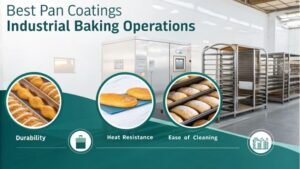
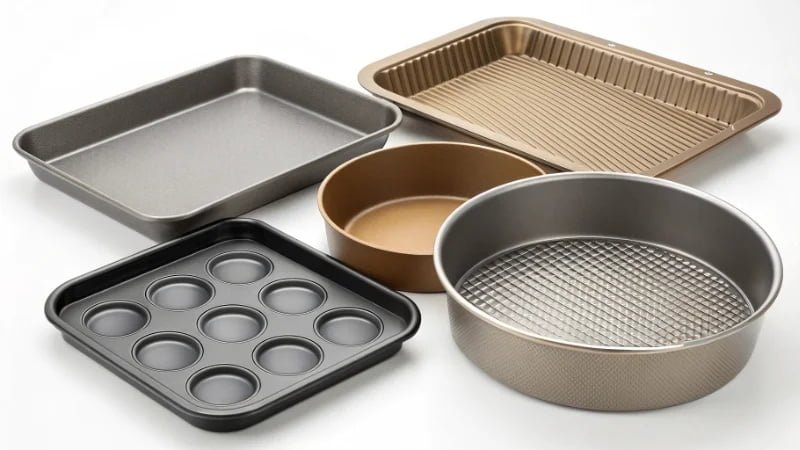
Generally, aluminized steel4 costs more than aluminum alloy or stainless steel because it offers better heat distribution5 and durability6. Adding a non-stick coating increases the price but provides significant convenience.
When I first started sourcing equipment, I thought a pan was just a pan. I learned the hard way that the material is everything. It directly affects how your products bake and how long the pan lasts. Let's break it down.
Material Matters
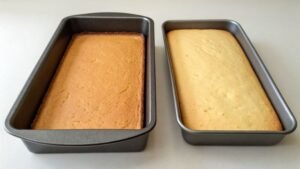
The base material is the foundation of your pan's price and performance. Aluminized steel, for example, is often the premium choice. It combines the strength of steel with the excellent heat conductivity of aluminum, giving you a durable pan that heats evenly and prevents hot spots. This means more consistent products batch after batch. Aluminum alloy and stainless steel are often cheaper, but they come with trade-offs. Aluminum is lightweight but can warp at high temperatures, while stainless steel is very durable but doesn't conduct heat as well.
The Value of a Good Coating
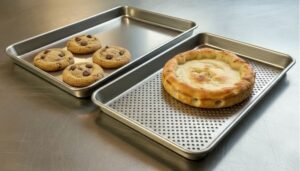
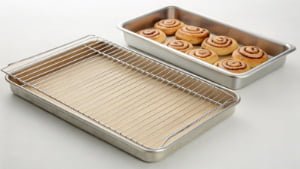
Then there's the coating. A pan without a non-stick coating is cheaper upfront. But think about the hidden costs7: more release oil, more time spent scrubbing, and a higher chance of damaged products. A quality non-stick coating makes everything easier. It ensures your baked goods release cleanly every single time. This not only improves efficiency but also the final appearance of your products.
Here is a simple comparison:
| Feature | Aluminum Alloy | Stainless Steel | Aluminized Steel (with Coating) |
|---|---|---|---|
| Cost | Low | Medium | High |
| Heat Conduction | Good | Fair | Excellent |
| Durability | Fair (can warp) | Excellent | Very Good |
| Non-Stick | No (requires grease) | No (requires grease) | Yes (built-in) |
| Best For | Budget-conscious startups | High-acid foods, durability6 | Professional, high-volume baking |
Choosing the right combination is about balancing your budget with your operational needs. For a high-volume bakery, the extra cost for aluminized steel4 with a good coating pays for itself quickly through improved efficiency and product quality.
Does a Complex Design Mean a Higher Cost for My Custom Baking Pans?
Have a unique pan design in mind but worried about the cost? The fear of high mold fees and manufacturing errors can stop a great idea. Let's clarify custom pan costs.
Yes, complex and custom designs3 significantly increase baking pan costs. This is due to expensive custom mold creation, the need for more robust materials to hold intricate shapes, and specialized labor.
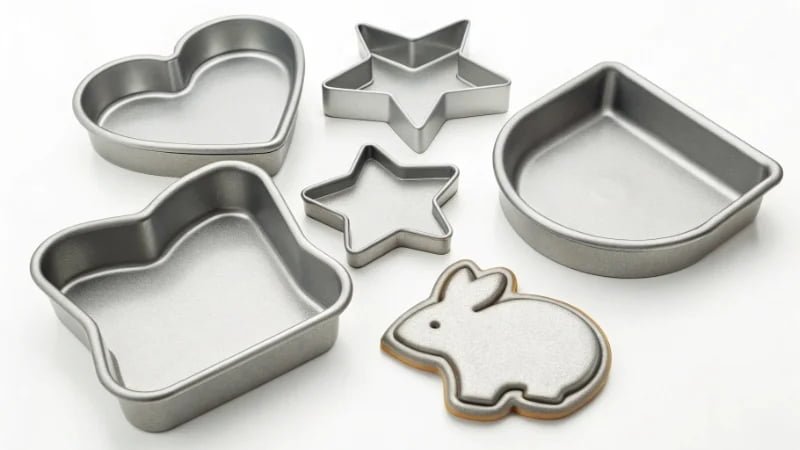
I once worked with a client who wanted to launch a signature pastry shaped like a unique flower. It was a brilliant idea, but the initial quotes for the custom pans were a shock to them. Customization is where you can see some of the biggest price jumps, and it’s important to understand why.
The Upfront Cost: Molds
The first major expense is the mold. Creating a precise, durable mold for a new shape is a highly skilled process that requires significant investment in design and engineering. This is a one-time fee, but it can be substantial, especially for intricate designs. A simple rectangular pan uses a standard, mass-produced mold, which keeps costs down. A multi-cavity pan with unique curves and details requires a brand-new mold built from scratch.
Material Strength and Complexity
Beyond the mold, the complexity of the shape itself affects the price.
- Structural Integrity: A pan with many sharp corners or deep, narrow cavities needs a stronger, thicker material to prevent it from warping or breaking under the stress of repeated heating and cooling. A cheaper, thinner material simply won't hold its shape.
- Manufacturing Process: Complex shapes often require more advanced manufacturing techniques and more manual oversight to ensure every detail is perfect. This increases labor costs compared to stamping out thousands of simple pans on a fully automated line.
While the initial investment for a custom pan is higher, it can be a powerful way to differentiate your brand. The key is to work with a manufacturer who has a strong R&D and mold-making team. They can help optimize your design for manufacturing, ensuring you get the shape you want without compromising on quality or durability6. It’s an investment in your brand's unique identity.
Why Does My Shipping Choice Impact the Final Baking Pan Price?
Confused by shipping acronyms like DDP on your quote? Picking the wrong option can lead to surprise bills and delivery delays. Let's decode these terms to see the true cost.
Shipping terms like DDP (Delivered Duty Paid) result in a higher initial quote because the seller covers all transportation, customs, and taxes. Cheaper terms leave you responsible for these fees.
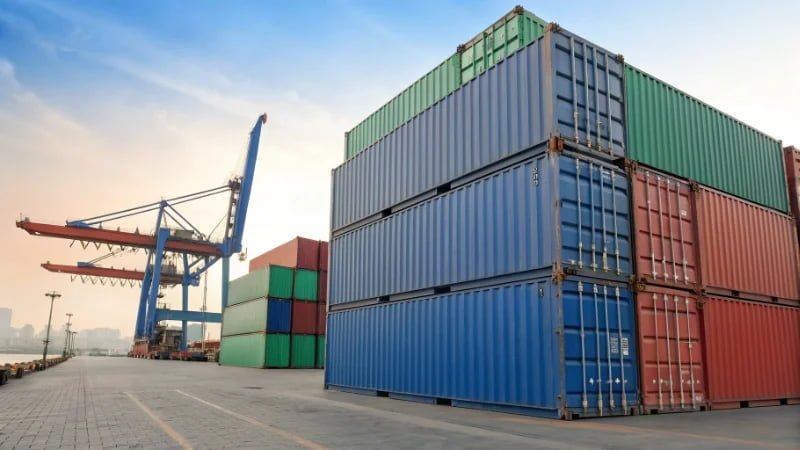
Shipping is often an overlooked part of a quote, but it can hide significant costs. I remember a customer who chose a quote that seemed 20% cheaper than ours, only to call me in a panic a few weeks later. His pans were stuck at customs, and he was facing a mountain of paperwork and unexpected fees that wiped out all his initial savings. This is why understanding shipping terms2 is so critical.
What Do the Acronyms Mean?
When you're importing equipment, you'll see different "Incoterms," which are standard trade definitions. Let's look at the most common ones.
- DDU (Delivered Duty Unpaid): The seller gets the goods to your country's port. From there, it's all on you. You have to handle customs clearance, pay import duties and taxes, and arrange for final delivery. The quote looks cheap, but the final cost is unpredictable.
- DDP (Delivered Duty Paid): This is the all-inclusive option. The seller handles everything—shipping, insurance, customs, duties, and taxes—right to your doorstep. The quote is higher, but it's a fixed price with no surprises.
Here’s a simple way to think about it:
| Incoterm | Who Pays for Customs/Taxes? | Who Handles Final Delivery? | Quote Price | Final Cost |
|---|---|---|---|---|
| DDU | You (the Buyer) | You (the Buyer) | Lower | Unpredictable |
| DDP | The Seller | The Seller | Higher | Fixed & Clear |
For most businesses, especially those without an experienced logistics team, a DDP or "door-to-door" service is worth the higher upfront cost. It provides peace of mind and allows you to budget accurately, without worrying about getting tangled in the complexities of international shipping.
Can the Manufacturer's Location and Size Really Change the Quote?
Is a cheaper quote from a small workshop a bargain or a risk? The low price is tempting, but a lack of support can be costly. Let's compare manufacturers to see.
Yes, a large, automated factory in a manufacturing hub like China often offers better prices on large orders. But they may quote higher than small workshops due to strict quality control and support.
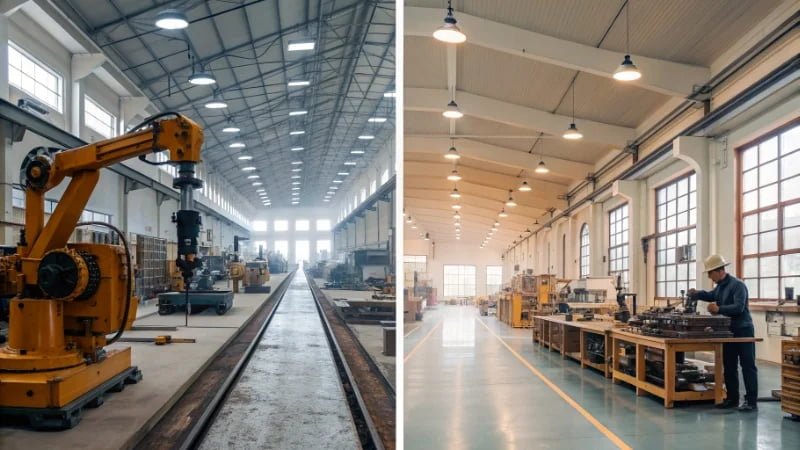
The "who" and "where" behind your baking pans are just as important as the "what." Two key factors here are automation and the scale of the operation.
The Power of Automation and Location
Manufacturing location matters. A country like China, which is a global manufacturing powerhouse, has a huge advantage. Our factories, like many here, are heavily automated. We have robotic welding, laser cutting, and automatic coating lines. This automation dramatically reduces labor costs, especially for large orders. A factory in a country without this level of automation simply can't compete on price for high-volume production because their manual labor costs are so much higher.
Big Factory vs. Small Workshop: The Hidden Value
So why would a large factory like ours sometimes be more expensive than a small, local workshop? The answer lies in the things you don't see in the pan itself.
- Quality Control: We have a dedicated quality management system based on ISO9001 standards and our products have passed CQC food contact certification. Every batch is tested. A small workshop might not have these processes.
- Safety & Accountability: Is the material truly food-safe? What happens if a pan fails? With a large, established company, you have accountability. We are a registered business with a reputation to protect.
- After-Sales Service: If you have a problem, you can call us. We have a team ready to help. A small workshop might disappear or be unable to provide support.
I always tell my customers: a baking pan is an investment in your business. A cheap pan from an unknown source might save you money today, but it could cost you much more tomorrow in lost product, wasted time, and safety risks. Choosing a reliable partner is about ensuring long-term success.
Conclusion
In summary, baking pan prices are shaped by materials, design, shipping, and the manufacturer's reliability. A cheap quote isn't always the best deal; consider the total value and long-term partnership.
Understanding the factors behind baking pan quotes can help you make informed purchasing decisions. ↩
Clarify shipping terms to avoid unexpected costs when ordering baking pans. ↩
Get insights into the financial implications of creating custom baking pans. ↩
Discover the advantages of aluminized steel in baking pans for better heat distribution. ↩
Discover how heat distribution affects the quality of your baked goods. ↩
Learn what makes a baking pan durable and how it affects your investment. ↩
Identify potential hidden costs that could affect your overall budget for baking pans. ↩