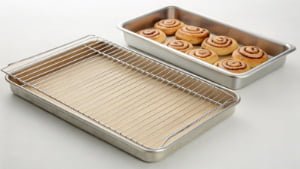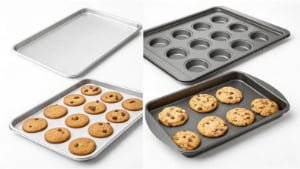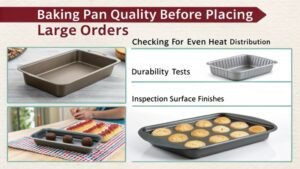
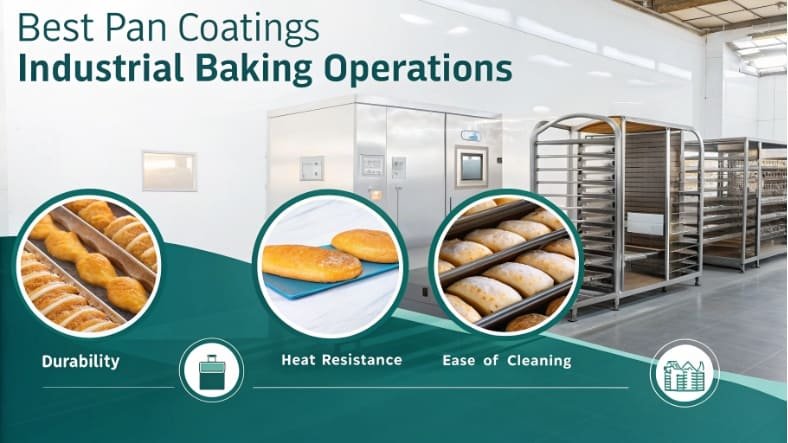
Choosing the wrong pan coating1 can ruin your entire production batch and cost thousands in wasted ingredients. Every industrial baker faces this challenge.
The best pan coating1 for industrial baking depends on your specific products, production volume, and quality standards. Non-stick silicone2 works for delicate pastries, ceramic handles high-volume operations, and PTFE offers reliable performance across most applications.
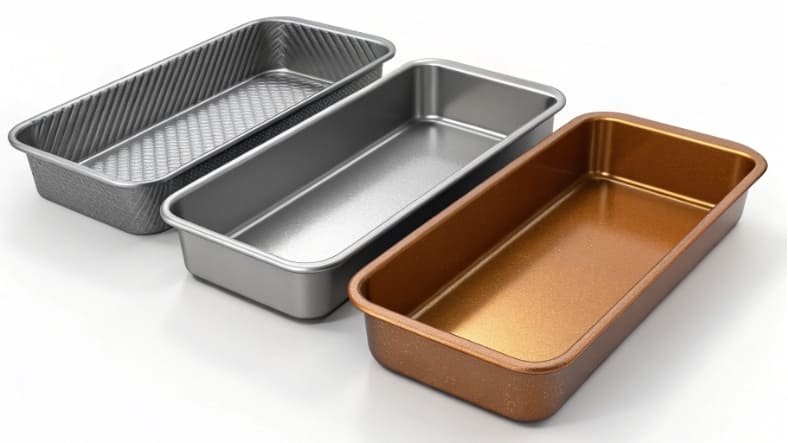
I learned this lesson the hard way during my early days working with commercial bakeries. One client switched to a cheaper coating to save costs. Within two weeks, their croissant production line was producing irregular shapes and inconsistent browning. The coating degradation affected their entire product line.
Which Coating Materials Handle High-Temperature Baking Best?
Temperature resistance separates professional coatings from consumer-grade options. Industrial ovens reach extreme temperatures that destroy inferior coatings.
Ceramic and anodized aluminum3 coatings withstand temperatures up to 500°F (260°C) consistently. PTFE works reliably up to 400°F (204°C), while silicone performs well for moderate-temperature applications up to 450°F (232°C).
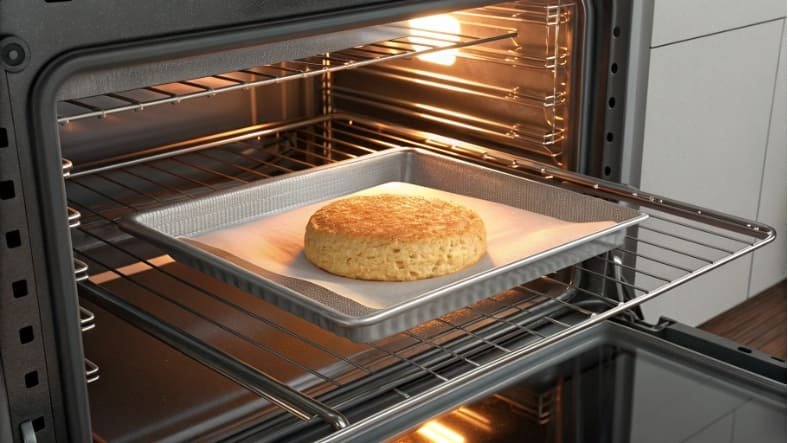
Temperature stability directly affects your production consistency. I have seen bakeries struggle with coating breakdown during peak summer months when ambient temperatures rise. The oven temperature combined with factory heat creates conditions that test coating limits.
Ceramic coatings excel in high-heat applications. They maintain their non-stick properties even after thousands of baking cycles. The ceramic surface creates an even heat distribution4 that improves product consistency. However, ceramic coatings5 require careful handling during cleaning to prevent chipping.
Anodized aluminum offers excellent heat conductivity with good durability. The anodization process creates a hard surface that resists wear from metal utensils and aggressive cleaning. This coating works well for bread production where consistent browning matters most.
| Coating Type | Max Temperature | Heat Distribution | Durability Rating |
|---|---|---|---|
| Ceramic | 500°F (260°C) | Excellent | High |
| Anodized Aluminum | 480°F (249°C) | Very Good | Very High |
| PTFE | 400°F (204°C) | Good | Medium |
| Silicone | 450°F (232°C) | Good | Medium-High |
PTFE coatings6 provide reliable performance for most baking applications. They release products easily and clean quickly between batches. The main limitation comes with temperature spikes that can occur during equipment malfunctions or operator error.
How Does Production Volume Affect Coating Selection?
High-volume operations demand coatings that maintain performance through thousands of cycles. Production frequency determines which coating properties matter most.
Ceramic and anodized aluminum3 coatings handle high-volume production best, lasting 5-10 times longer than PTFE in continuous operations. Silicone coatings work well for medium-volume specialty products that require gentle release.
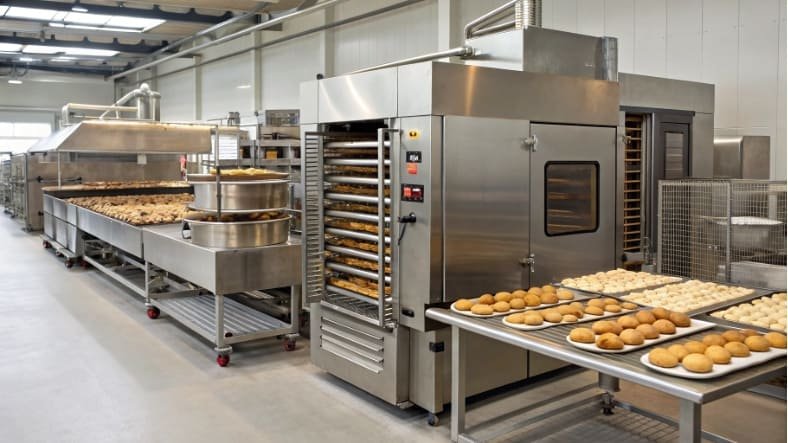
Volume considerations go beyond simple durability. High-frequency baking creates thermal cycling stress7 that weakens coating bonds over time. I have worked with facilities running 24-hour operations where pan replacement costs became a significant budget item.
Ceramic coatings shine in high-volume environments. They resist thermal shock better than other options and maintain consistent release properties even after extended use. The initial investment costs more, but the extended lifespan reduces long-term expenses.
Anodized aluminum provides excellent value for high-volume operations. The hard surface resists scratching from automated equipment and maintains performance through aggressive cleaning cycles. Many large-scale bread producers prefer this coating for its reliability and cost-effectiveness.
Production Frequency Guidelines
Low Volume (Under 100 units/day): PTFE or silicone coatings provide adequate performance at lower cost. The reduced thermal cycling allows these coatings to last longer in lighter-duty applications.
Medium Volume (100-500 units/day): Anodized aluminum or high-grade PTFE coatings6 balance cost and durability. Regular maintenance schedules help maximize coating life.
High Volume (Over 500 units/day): Ceramic coatings justify their higher cost through extended service life and consistent performance. Some facilities report 3-5 year coating life in continuous operations.
Production scheduling also affects coating choice. Operations with irregular production patterns experience more thermal cycling stress7. Coatings that handle temperature changes well perform better in these environments.
What About Product-Specific Coating Requirements?
Different baked goods create unique challenges for pan coating1s. Sticky products demand different solutions than dry goods or delicate pastries.
Silicone coatings excel with sticky products8 like caramel rolls and sweet breads. PTFE works well for standard bread and cake production. Ceramic coatings handle crusty breads and high-sugar applications that might damage other surfaces.
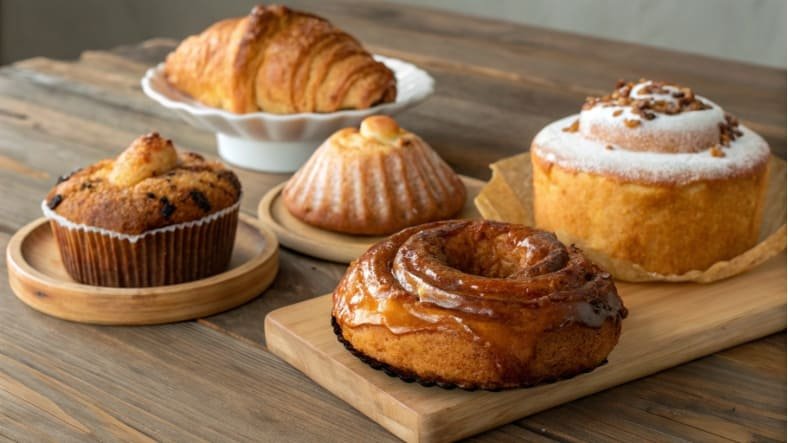
Product characteristics determine coating performance more than any other factor. I have seen operations struggle because they chose coatings based on price rather than product compatibility. The wrong coating creates release problems that affect product appearance and waste ingredients.
Sticky products require superior release properties. Sugar-based products caramelize during baking and bond strongly to pan surfaces. Silicone coatings provide the best release for these applications because their flexible surface prevents strong adhesion bonds from forming.
Delicate products need gentle release to maintain shape and appearance. Pastries with intricate details or fragile structures benefit from silicone coatings that release without mechanical stress. The coating flexibility allows products to separate cleanly without distortion.
Product Category Matching
High-Sugar Products: Silicone coatings resist sugar crystallization and provide easy release. The non-reactive surface prevents flavor contamination in sensitive applications.
Crusty Breads: Ceramic coatings withstand the high temperatures needed for proper crust development. They also resist damage from steam injection systems common in artisan bread production.
Delicate Pastries: Silicone coatings offer the gentlest release properties. Their flexibility accommodates product expansion during baking without creating stress points.
Standard Production: PTFE coatings6 provide reliable performance across most product types. They offer good value for operations producing multiple product categories on the same equipment.
Coating texture also affects product appearance. Smooth coatings create clean product surfaces, while textured coatings can add visual interest to certain products. The choice depends on your brand requirements and customer expectations.
How Do Cost Considerations Impact Coating Decisions?
Budget constraints often drive coating decisions, but the cheapest option rarely provides the best value. Total cost of ownership includes replacement frequency and production disruptions.
Anodized aluminum and PTFE coatings6 offer the best cost-performance balance for most operations. Ceramic coatings cost more initially but provide superior value in high-volume applications through extended service life.
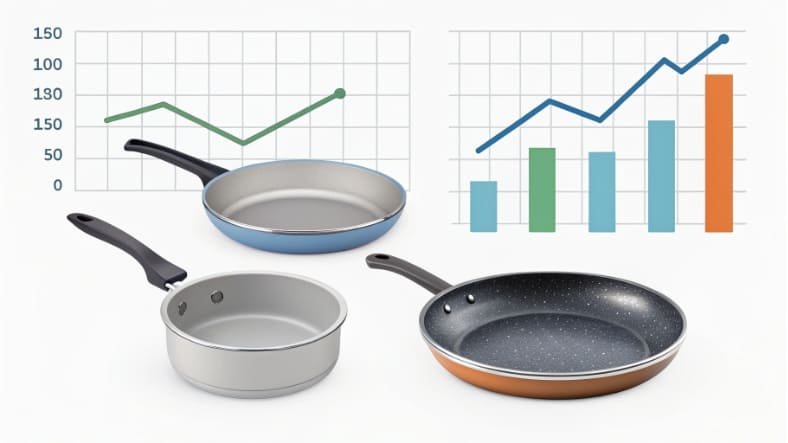
Cost analysis requires looking beyond purchase price. I have helped clients calculate total ownership costs that include replacement frequency, cleaning time, and production downtime. The results often surprise decision-makers who focus only on initial costs.
Initial coating costs vary significantly between types. PTFE coatings6 typically cost 30-50% less than ceramic options. However, replacement frequency can make PTFE more expensive over time in demanding applications.
Maintenance costs differ between coating types. Ceramic coatings require careful handling but need less frequent replacement. PTFE coatings6 clean easily but may need more frequent touch-ups or complete replacement.
Cost-Effectiveness Analysis
Budget-Conscious Operations: Anodized aluminum provides excellent durability at moderate cost. The coating handles most baking applications well and offers predictable service life for budget planning.
Quality-Focused Operations: Ceramic coatings justify higher costs through superior performance and extended life. The consistent results help maintain product quality standards that support premium pricing.
High-Volume Operations: Ceramic coatings often provide the lowest per-unit cost despite higher initial investment. The extended service life reduces replacement frequency and associated downtime costs.
Specialty Applications: Silicone coatings may cost more initially but provide unique performance benefits that justify the expense for specific product lines.
Labor costs for coating maintenance and replacement add to total ownership expenses. Coatings that fail unpredictably create emergency replacement situations that disrupt production schedules and increase costs.
What About Standardization for Chain Operations?
Chain operations need consistent results across multiple locations. Coating performance variations between sites create quality control challenges and customer confusion.
Anodized aluminum and ceramic coatings5 provide the most consistent performance across different operators and locations. Their durability reduces performance variation that occurs as coatings age at different rates.
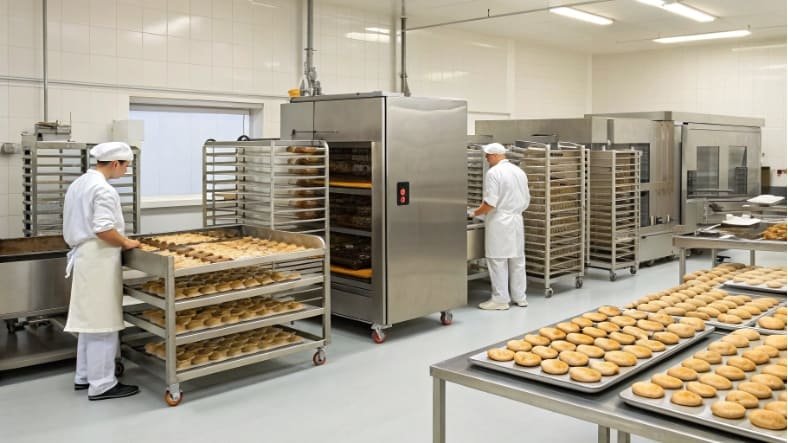
Standardization challenges multiply when coating performance varies between locations. I have worked with chains where identical recipes produced different results due to coating condition differences. This creates quality control problems and damages brand consistency.
Training requirements vary between coating types. Some coatings require specific handling procedures or cleaning methods. Chains need coatings that perform consistently regardless of operator skill level or local maintenance practices.
Supply chain considerations affect coating choice for chains. Standardizing on widely available coatings ensures replacement parts stay in stock. Specialty coatings may create supply disruptions that affect operations.
Chain Operation Requirements
Performance Consistency: Coatings must deliver identical results regardless of location or operator. This requires coatings with stable performance characteristics that do not degrade unpredictably.
Training Simplicity: Coatings should work well with standard operating procedures. Complex maintenance requirements create training challenges and increase the risk of performance problems.
Supply Reliability: Standardized coatings must be available from multiple suppliers to prevent supply disruptions. Single-source coatings create risk for chain operations9.
Quality Control: Coatings should provide visual indicators of wear10 or damage. This helps location managers identify replacement needs before performance problems affect products.
Replacement scheduling becomes critical for chains. Coordinated replacement programs ensure all locations maintain similar coating conditions. This prevents quality variations between locations that could confuse customers.
Conclusion
The best coating matches your specific baking needs, production volume, and quality standards rather than following generic recommendations.
Understanding pan coatings is crucial for industrial bakers to ensure product quality and avoid costly production errors. ↩
Non-stick silicone is ideal for delicate pastries, offering gentle release properties that preserve product integrity. ↩
Anodized aluminum offers excellent heat conductivity and durability, making it suitable for high-temperature baking. ↩
Even heat distribution ensures consistent baking results, reducing the risk of uneven browning or cooking. ↩
Ceramic coatings excel in high-volume environments due to their durability and consistent heat distribution. ↩
PTFE coatings provide reliable performance across various baking applications, making them versatile for industrial use. ↩
Understanding thermal cycling stress helps bakers choose coatings that withstand frequent temperature changes. ↩
Sticky products require coatings with superior release properties to prevent adhesion and maintain product quality. ↩
Standardization ensures consistent product quality across multiple locations, crucial for maintaining brand reputation. ↩
Visual indicators allow bakers to identify when coatings need replacement, preventing quality issues. ↩